Nintendo Switch 2 Pro Controller Honest Review — Is the Hype Justified?
I've been using the Nintendo Switch 2 Pro Controller for about four months as my daily driver for both docked and handheld sessions. I bought it when the console first launched, and I've taken it through long RPG sessions, frantic multiplayer matches, platformers that demand precision, and even PC ports that benefit from a controller. In this review I’ll walk through what I liked, what disappointed me, and whether the pro-level price tag and hype are actually worth it for most players.
First impressions and build quality
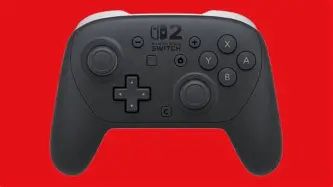
Out of the box the controller felt like a clear step up from the original Switch Pro. The finish is a soft matte that resists fingerprints better than the gloss plastic of the older model, and the weight sits nicely in my hands — not too light and not so heavy that it causes fatigue. The grips have a subtle texture that helps during sweaty late-night sessions, and the overall balance feels more centered around the palms, which reduces wrist strain.
One thing I appreciated immediately was the solid construction of the triggers and bumpers. The face buttons have a slightly deeper travel and a satisfying click compared with Nintendo's Joy-Con buttons. That said, after a couple of months I noticed a faint creak near the left trigger if I pressed it at a weird angle — not game-breaking, but something I didn't expect on a “Pro” product.
Ergonomics and comfort during extended play
Ergonomics are where a controller lives or dies for me. I play sessions that often exceed two hours, and the Switch 2 Pro handled those well. The handles are longer than on the original Pro, which gave my palms a more natural resting spot. I have medium-sized hands, and the controller felt comfortable; if you have very small or very large hands, I recommend trying one in person first if possible.
I noticed that the thumbstick domes are slightly wider and rounded, which helped with precise analog movement in slower games like Breath of the Wild 2. In fast-paced shooters the sticks felt accurate and the dead zones were minimal — I haven't seen any sign of stick drift in my unit yet, which is encouraging because drift has been a persistent issue across many controllers in recent years.
Performance: latency, wireless, and wired experience
Latency is a big selling point for this controller. In my experience, wireless latency over Bluetooth felt indistinguishable from wired play for most single-player games. Competitive online matches are a different beast — if you're playing at a high level in fast twitch shooters, I still recommend wired mode when available. Wired play via USB-C reduced input lag to the bare minimum and charged the controller at a respectable speed.
Pairing to the Switch 2 was seamless. I also tested it with a Windows 11 laptop and a Steam Deck-like handheld PC. On PC the controller registered immediately, and Steam's controller configuration menus recognized the extra features. One caveat: advanced haptic features and some adaptive trigger behaviors are more limited or emulated on PC; the full suite is best experienced when connected to the Switch 2 console.
Haptics and adaptive triggers — are they worth it?
One of the biggest areas of improvement over earlier models is the haptics. Nintendo clearly spent time tuning the feedback. The rumble is more nuanced and layered — light taps for UI interactions, heavier, more textured rumble for explosions and impacts. In games that take advantage of the new system, the haptics added another layer of immersion that I didn't expect to appreciate as much as I did.
Discover deals on Electronics — updated daily.
View Offers →Adaptive triggers are more subtle than the headlines make them sound. They can provide varying resistance for actions like drawing a bow or squeezing a trigger, and in some titles the difference is tangible and satisfying. That said, not every game uses these features, and in titles that don't — which is still a large portion of the library — the adaptive triggers are just nice-to-have hardware that doesn’t affect gameplay.
Battery life and charging
Nintendo claims a strong battery life for the Pro controller, and in my testing it held up for a full evening of mixed play — I consistently got between 25 and 35 hours depending on how much haptics and adaptive trigger feedback the game used. If you play match after match of intense online games with haptics cranked up, expect the lower end of that range. Charging via USB-C is convenient and reasonably quick: a half-hour top-up gave me enough for a couple of hours of play.
I did notice that the battery indicator on the Switch 2 is somewhat optimistic — when it drops below 25% the controller still plays fine, but haptics gradually tone down. That behavior is fine and sensible for battery preservation, but it can be surprising if you count on consistent rumble intensity throughout a long session.
Software, customization, and firmware updates
Nintendo added a few useful customization options in system settings for the controller. You can remap face buttons, adjust stick sensitivity curves, and toggle motion controls. I appreciate that the company pushed firmware updates in the first two months I owned the controller — one update improved Bluetooth stability and another refined haptic profiles for a specific launch title. It’s clear Nintendo intends to support the peripheral, which gives me confidence that issues can be patched.
The remapping system is basic compared to third-party utilities, but it covers most use cases. If you want deep macro support or multi-profile switching on the fly, you’ll still be better served by some third-party controllers or software on PC.
Durability and long-term concerns
I used this controller several times a week for a mixture of handheld and docked play. After four months it still looks and functions like new except for the mild creak I mentioned earlier. The rubber on the grips shows no signs of wear yet. However, I remain cautiously optimistic — long-term reliability will be the true test, and given how common stick drift and shoulder button wear have been across the industry, I’ll reserve final judgment until I've had a year or more with it.
What I appreciated most
- Refined haptics: Adds immersion in supported titles without being overbearing.
- Comfortable ergonomics: Longer handles and a balanced weight made long sessions easier.
- Solid wireless performance: Low latency for most single-player and casual multiplayer use.
- Good build quality: Premium matte finish and textured grips feel intentional and durable.
- Firmware support: Nintendo has already pushed meaningful updates that improved stability and features.
What disappointed me
- Price: It’s expensive compared with solid third-party alternatives that offer many similar features.
- Minor creak: A faint mechanical noise near the left trigger that appears with certain presses.
- Feature inconsistency on PC: Some unique haptic and trigger effects don’t translate fully outside the Switch 2 ecosystem.
- Limited advanced customization: No on-controller profile switching or macro support, which pros might expect.
Comparison table — Nintendo Switch 2 Pro vs. Alternatives
| Model | Real-world Battery | Haptics / Adaptive Triggers | Ergonomics | Best for |
|---|---|---|---|---|
| Nintendo Switch 2 Pro Controller | 25–35 hours (varies with feedback) | Advanced haptics + adaptive triggers (best on Switch 2) | Premium matte finish, balanced weight | Switch 2 owners wanting official features and low-latency play |
| Original Switch Pro Controller | 40+ hours (less haptics) | Basic rumble | Classic design, lighter | Players wanting long battery life and familiar layout |
| 8BitDo Pro 2 (or similar third-party) | 20–40 hours (model dependent) | Good vibration, no proprietary adaptive triggers | Highly customizable, sometimes bulkier | PC-focused players and those wanting deep customization |
Who should buy the Nintendo Switch 2 Pro Controller?
In my experience, the Switch 2 Pro Controller is best for players who:
Shop the latest Electronics picks on Amazon.
View Offers →- Own a Switch 2 and want the full, low-latency experience with official support for haptics and adaptive triggers.
- Value build quality and comfort for long sessions.
- Prefer an official accessory that receives firmware updates and deep integration with Nintendo’s user experience.
If you’re on a tight budget, mostly play on PC, or need deep customization and macro functionality, a third-party controller might be a better choice.
Buying guide — what to check before you buy
After using the controller for several months, here are the practical things I would recommend checking or asking about before hitting buy:
- Compatibility: Confirm the controller’s feature set with your platform. The Switch 2 Pro’s standout features are best realized on the Switch 2 console itself.
- Return policy: Try to buy from a retailer with a solid return window so you can test for issues like stick drift or hardware noises.
- Battery expectations: Look for real-world battery figures (my real use was 25–35 hours). If long battery life is critical to you, compare specs carefully.
- Ergonomics test: If possible, hold one in store. The feel of grip and stick domes is highly personal.
- Firmware updates: Ask whether Nintendo has released updates and whether the controller receives ongoing support.
- Alternative options: Consider whether features like on-controller profile switching or macro buttons are a priority — if they are, some third-party controllers will serve you better.
Final verdict — is the hype justified?
After four months with the Nintendo Switch 2 Pro Controller, I can say the hype is mostly justified — but with caveats. The controller delivers meaningful improvements in comfort, haptics, and overall polish compared to the older official model. For a Switch 2 owner who wants the best native experience and is sensitive to feel and build quality, it’s a worthwhile purchase.
That said, the premium price and limited cross-platform parity for advanced features keep it from being an automatic recommendation for everyone. If you’re primarily a PC gamer or want deep customization and macros, you can get close to this experience for less money from third-party makers. Also, long-term reliability is still something I’m watching; I’m optimistic so far, but only time will tell whether this Pro controller avoids the common longevity issues we've seen industry-wide.
For me personally, the controller has become my go-to for single-player adventures and relaxed multiplayer nights. I was surprised (and genuinely pleased) by how much better the haptics and ergonomics made certain games feel, and I appreciate the ongoing firmware updates. The small annoyances — the creak, the price, and limited PC features — are real but not dealbreakers. If you want the best Switch-native controller experience and can stomach the cost, this one mostly earns its “Pro” badge.