Don't Buy Until You Read This: Creative Stage Pro vs Samsung S90F Oled Tv
Introduction
When building a home entertainment system, the TV and sound system form the core of the experience. Two products that frequently appear on buyers' shortlists are the Creative Stage Pro soundbar and the Samsung S90F OLED TV. One is focused on elevating audio without the footprint of a separate AV receiver and multiple speakers; the other promises cinematic picture quality from an OLED panel. This article compares what each product brings to real-world viewing environments, what buyers typically care about (picture, sound, connectivity, room fit, and value), and how they pair together. The aim is practical: help readers decide which pieces to prioritize and how to get the best combined experience for movies, sports, gaming, and everyday TV.
At a glance: What these products are best at
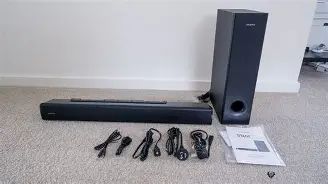
- Creative Stage Pro — A compact, purpose-built soundbar designed to improve dialog clarity, widen the stereo image, and add low-end punch without needing a separate subwoofer and multiple satellite speakers. Best for smaller to medium living rooms and for buyers who want a tidy setup with noticeable audio improvements over TV speakers.
- Samsung S90F OLED TV — A premium OLED television that emphasizes deep blacks, strong contrast, and vivid color reproduction. Best for viewers who prioritize picture quality for movies, streaming, and high-end gaming experiences.
Detailed product analysis
Creative Stage Pro — what it delivers in real life
The Creative Stage Pro is aimed at people who want more from their TV's audio without dedicating floor space to tower speakers or an AV receiver. In everyday use it makes the most obvious difference in three areas: speech intelligibility, perceived loudness and bass presence, and a feeling of immersion that TV speakers struggle to provide. When watching dialog-heavy dramas or news programs, the center-focused audio handling helps voices sit clearly above background noise. For movies and TV shows, the soundbar's processing can simulate a broader soundstage, giving effects and atmospherics more presence across the room.
For smaller apartments or living rooms where neighbors are a concern, the Creative Stage Pro allows viewers to enjoy a satisfying experience at moderate volumes without the neighbor-shaking bass of a full subwoofer. For gamers who play on consoles connected to a TV, the soundbar typically offers low-latency modes and multiple input options so switching between TV, console, and mobile audio is straightforward.
Connectivity is a practical selling point: HDMI eARC (or ARC on some models), optical input, and Bluetooth provide easy integration with modern TVs and mobile devices. Setup involves placing the bar under the TV, connecting the TV's audio output, and occasionally tweaking the sound modes for movies, music, or games. For buyers who are not comfortable running speaker wires or calibrating multi-channel systems, this simplicity is a major advantage.
Samsung S90F OLED TV — picture, platform, and daily use
The Samsung S90F OLED TV targets buyers who want reference-level picture performance without compromises on smart features. In a dark living room, OLED's ability to produce true blacks and maintain contrast depth enhances cinematic viewing: starfields, candlelit scenes, and high-contrast HDR content benefit markedly. For HDR-enabled streaming services and UHD Blu-rays, this results in punchier highlights, richer colors, and a more lifelike image overall.
Samsung's TV platform typically offers a comprehensive smart TV experience with a wide range of streaming apps and content partners preinstalled, making it easy to access movies, shows, and music. The TV also tends to include multiple HDMI ports with modern bandwidth to support 4K at high refresh rates for gaming consoles and PCs. For gamers, the S90F generally provides fast pixel response times and gaming-friendly features such as variable refresh rate (VRR) and low input lag modes, improving responsiveness and motion clarity in fast-paced titles.
In brighter rooms, typical LED/LCD TVs can outperform many OLEDs in absolute peak brightness; however, newer OLED implementations have narrowed the gap, offering better performance in rooms with ambient light while retaining the core advantage of exceptional contrast. Placement and calibration remain important: anti-reflective screens, sitting angle, and post-out-of-box picture adjustment can significantly change perceived image quality.
Pros & Cons
Creative Stage Pro — Pros
- Improves dialog clarity and general TV audio without complex setup
- Compact footprint — suitable for apartments and smaller living rooms
- Multiple connectivity options make it flexible with existing equipment
- Better bass and fullness than built-in TV speakers
- Simple installation and typically includes useful sound modes (movie, music, voice)
Creative Stage Pro — Cons
- Limited stereo/immersive separation compared with multi-speaker systems
- Bass impact rarely matches a dedicated subwoofer in a full home theater
- Virtual surround processing is effective but not a true discrete surround experience
- Soundbars can vary in performance depending on room acoustics; placement matters
Samsung S90F OLED TV — Pros
- Exceptional contrast and black uniformity for cinematic content
- Vivid colors and strong HDR performance with detailed highlights
- Gaming-friendly features: low latency, quick pixel response (typical for OLEDs)
- Modern smart platform with broad app support and streaming services
- Slim design that pairs well with minimalist living rooms
Samsung S90F OLED TV — Cons
- Potential for image retention or burn-in with extreme static content over long periods (mitigations are available)
- High-end models require careful calibration for best results out of the box
- Brightness in very bright rooms may be outperformed by some high-end LED/LCD models with robust local dimming
- Screen size considerations: smaller sizes may not fully reveal OLED advantages at normal viewing distances
Side-by-side comparison
The following table highlights the attributes buyers most commonly compare when choosing a TV and soundbar combination. It is intended to guide expectations rather than provide specific numeric benchmarks.
| Category | Creative Stage Pro (Soundbar) | Samsung S90F OLED TV |
|---|---|---|
| Primary function | Improve TV audio, dialog clarity, and bass presence | Deliver premium picture quality and smart TV functionality |
| Best for | Small-to-medium rooms, streaming, casual gaming, news and dialogue-centric content | Movie nights, HDR streaming, high-fidelity gaming, immersive visual content |
| Room size suitability | Small to medium rooms | Medium to large rooms (choose size based on viewing distance) |
| Connectivity | HDMI eARC/ARC, optical, Bluetooth (varies by model) | Multiple HDMI ports (modern bandwidth), Wi-Fi, Ethernet, Bluetooth for accessories |
| Installation complexity | Low — place under TV, connect single cable to TV | Low to moderate — wall mount or stand, calibrate picture settings |
| Upgrade path | Add wireless subwoofer or rear speakers (if supported) for fuller surround | Keep TV and pair with external audio systems for higher fidelity |
| Typical trade-offs | Convenience and neatness vs ultimate multi-channel fidelity | Stunning picture vs potential burn-in risk and calibration needs |
Real-world use cases and pairing advice
Understanding how these two products work together in common scenarios helps clarify which aspects to prioritize when shopping.
Looking for the best TVs & Home Theater deals on Amazon?
See Deals →Movie enthusiasts
For viewers who primarily watch films, picture quality and immersive audio are the priorities. The Samsung S90F OLED provides the image foundation—deep blacks and accurate colors—while the Creative Stage Pro upgrades the aural experience compared with TV speakers. Although a single soundbar cannot fully replicate a 5.1 or 7.1 system, it significantly improves punch and dialog. For deeper bass or more realistic surround effects, consider adding a standalone subwoofer or a soundbar configuration that supports rear satellites.
Gamers
Competitive and casual gamers will appreciate the S90F's response and low-latency performance. Pairing the TV with the Creative Stage Pro delivers clear in-game sound cues—footsteps, dialog, and directional effects—without the complexity of a multi-speaker setup. If the gamer also uses a dedicated headset or desires 3D positional audio for competitive play, that can be used alongside the soundbar; however, check console or PC audio routing to avoid double audio output issues.
Sports and live TV
Sports viewers often want dynamic, energetic sound and clear announcer voices. The Stage Pro's emphasis on midrange clarity helps commentary remain intelligible, and the processing can make crowd noise more lively. The OLED TV's motion handling and contrast make fast-moving sports look crisp, though HDR is less important for live broadcasts than for cinematic content.
Everyday TV and background listening
For viewers who mostly watch daytime TV, news, or background music, the Creative Stage Pro offers a meaningful upgrade that reduces listening fatigue and improves clarity at lower volumes. The S90F contributes better-looking on-screen content when paused or during casual viewing, but the audio upgrade should be the first purchase if the existing TV speakers are weak.
Buying guide — how to decide
When choosing between prioritizing a TV like the Samsung S90F OLED and a soundbar such as the Creative Stage Pro, consider the following checklist. The best choice depends on room, viewing habits, and budget.
1. Determine the primary use
If the primary focus is cinematic picture quality and HDR content, prioritize the TV. If most viewing is casual TV, news, sports, or the current TV has poor sound, prioritize a soundbar first—the audio improvement is immediate and very noticeable.
2. Measure the room and seating distance
TV size should match viewing distance. OLED benefits are most noticeable at larger screen sizes in dimmer rooms; for very small rooms, a modestly sized OLED may be overkill. Soundbar performance also depends on room size—larger rooms may require a subwoofer or additional speakers for satisfying bass and fullness.
3. Evaluate connectivity and future devices
Check how many HDMI inputs are needed for consoles, streaming devices, and set-top boxes. Modern TVs with HDMI 2.1 inputs are more future-proof for gaming. For soundbars, ensure the soundbar supports HDMI eARC if the TV will be the central switch for audio sources; eARC preserves high-quality surround audio formats.
Looking for the best TVs & Home Theater deals on Amazon?
View Offers →4. Consider room acoustics and placement
Reflective rooms can emphasize brightness and trebles; rugs, curtains, and soft furnishings tame reflections and improve perceived bass. A soundbar works best when centered and unobstructed; avoid placing it inside a cabinet that muffles the sound.
5. Think about upgrade paths
If the long-term plan includes a full surround setup, choose components that allow expansion—soundbars that support wireless subwoofers or rear speakers, and TVs that provide eARC for high-bitrate audio. For picture upgrades, ensure the TV has firmware support and good calibration options.

6. Check warranty, aftercare, and software
OLED panels and audio electronics typically have manufacturer warranties; confirm what is covered and for how long. Also consider the TV's software ecosystem for app support and updates, and the soundbar's firmware update process for bug fixes and feature improvements.
7. Balance budget vs. impact
If budget is limited, spending a smaller percentage on a soundbar often yields more noticeable day-to-day improvements than spending the same amount upgrading from a mid-range TV to a high-end model. Conversely, if the TV is already acceptable and audio is lacking, investing in a soundbar is the practical next step.
Conclusion
Choosing between investing in a Samsung S90F OLED TV or a Creative Stage Pro soundbar (or deciding to buy both) depends on what the viewer values most right now. The S90F represents a strong visual upgrade for those who crave cinematic depth and HDR performance. The Creative Stage Pro, by contrast, offers an immediate and practical improvement to audio that benefits all types of content without the complexity of a full home-theater build.
For many buyers, the best path is sequential: upgrade audio first if the current TV sound is poor; upgrade the TV if the picture is the limiting factor and the room supports a larger, premium display. When paired, the two deliver a compelling and tidy home entertainment setup that handles movies, games, sports, and everyday programming with a significant step up from a typical out-of-the-box TV-only experience. By considering room size, viewing habits, connectivity, and upgrade plans—and by calibrating each component sensibly—buyers can create a satisfying system that meets both present and future needs.